What Promotion Data Shows About Casino Campaign Lengths and Player Participation
Written by Quinn Berger · Jun 29, 2026
What Promotion Data Shows About Casino Campaign Lengths and Player Participation
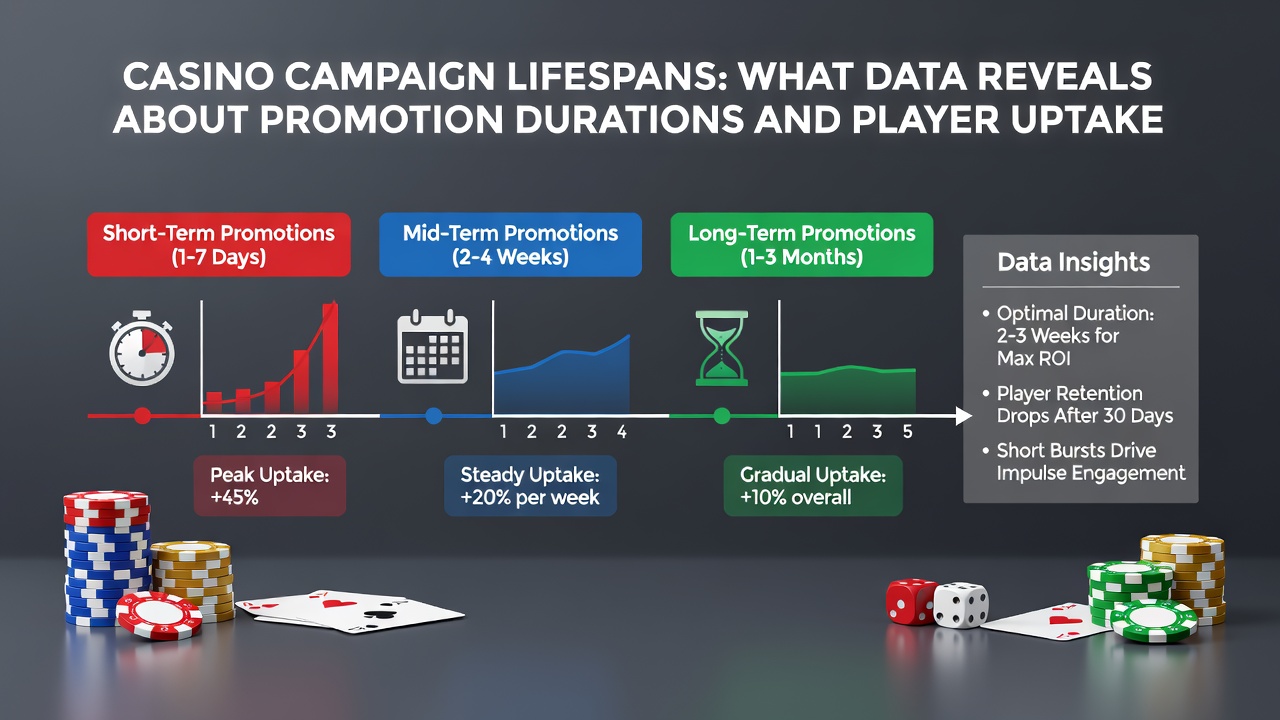
Campaign durations in the casino sector follow measurable patterns that operators track through player registration numbers, deposit volumes, and redemption rates. Data collected from multiple jurisdictions shows that most welcome offers and deposit matches run between seven and thirty days, while reload promotions often close within forty-eight to seventy-two hours.
Duration Patterns Across Different Offer Types
Operators structure short-term campaigns to create urgency, and figures from the Nevada Gaming Control Board indicate that flash promotions lasting under one week generate higher per-day engagement compared with month-long equivalents. In contrast, extended loyalty programs spanning several months maintain steadier but lower daily uptake, because players spread activity across the full window rather than concentrating efforts early.
Seasonal campaigns tied to events like major sports tournaments tend to align with those events' schedules, which produces predictable start and end dates that players anticipate each year. Analysis of 2025 data reveals that campaigns ending just before June 2026 holidays captured above-average sign-up spikes in the final seventy-two hours, as participants rushed to meet remaining requirements.
How Length Influences Player Behavior
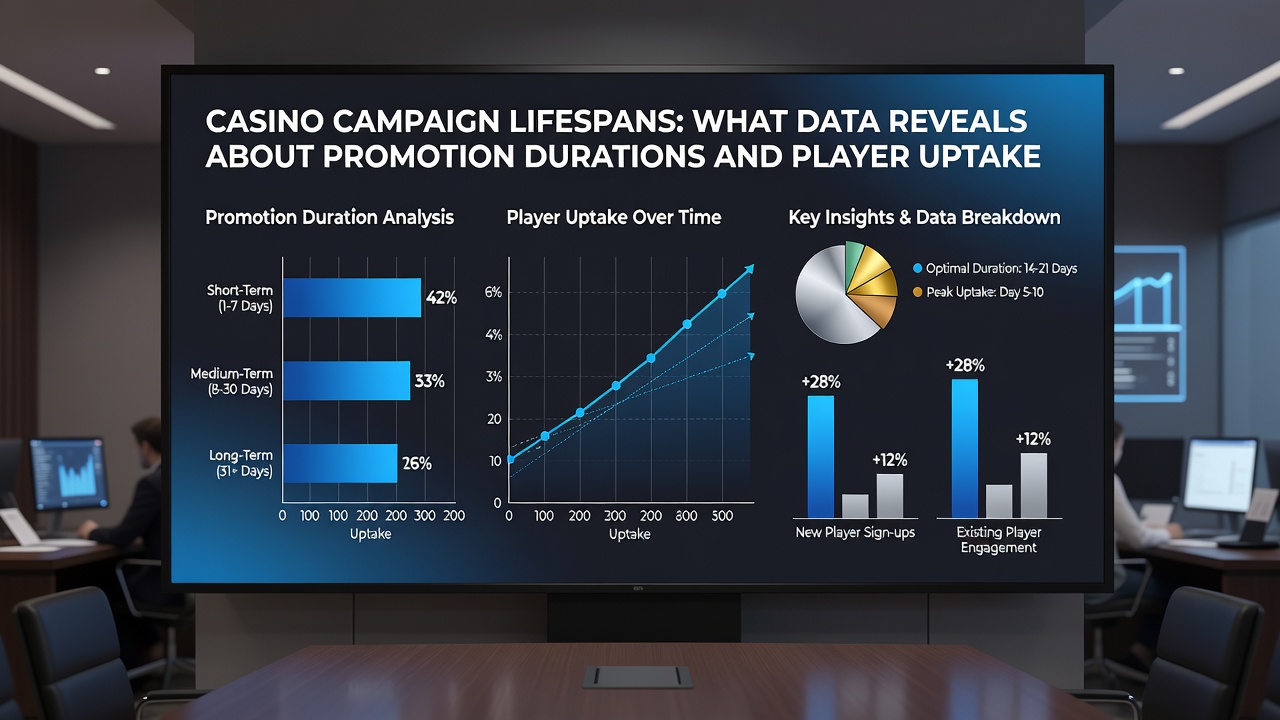
Longer promotions give players time to evaluate terms and compare competing offers, which can delay initial deposits until the final days. Shorter windows compress decision-making and often produce quicker registration spikes, yet they also risk lower total participation if the timeframe misses peak player availability. Research from the University of Nevada, Reno gaming studies program demonstrates that campaigns exceeding twenty-one days see a measurable drop in daily new accounts after the second week, while those under ten days maintain more consistent daily growth throughout their run.
Deposit thresholds attached to longer offers frequently require multiple transactions, and players who start early tend to complete requirements at higher rates than those who join late. Data sets covering North American and European markets show completion rates fall by roughly eighteen percent when campaigns stretch beyond four weeks, because attention shifts to newer promotions launched by competing sites.
Regional Differences in Campaign Timing
Markets regulated by the Alcohol and Gaming Commission of Ontario record higher uptake for weekend-only reload bonuses that reset every Friday, creating recurring short cycles rather than single extended offers. Australian operators following guidelines from state gaming authorities prefer mid-month campaigns lasting fourteen days, which align with typical pay cycles and produce steadier deposit flows. European data aggregated by the European Gaming and Betting Association points to similar fourteen-day structures for seasonal reloads, though welcome packages there sometimes extend to forty-five days to accommodate slower verification processes.
Time-zone considerations affect launch timing in multi-jurisdiction operations, and campaigns that begin at 00:00 UTC often capture simultaneous interest across regions while those staggered by local time see more gradual uptake curves. Observers note that campaigns crossing month-end boundaries sometimes experience artificial dips when players pause to review monthly budgets before committing.
Measurement Metrics Used by Operators
Key performance indicators include average time from promotion launch to first deposit, total accounts created per day, and the percentage of players who meet wagering requirements before the deadline. These metrics allow operators to adjust future campaign lengths based on historical performance rather than fixed assumptions. Reports from the Canadian Gaming Association highlight that promotions achieving over sixty percent requirement completion within the first half of their duration tend to extend naturally through player word-of-mouth, whereas slower-starting offers rarely recover momentum even when extended.
Player segmentation data further refines these measurements, because high-volume participants respond differently to duration than casual users. High-volume segments often favor shorter, high-value windows that match their play frequency, while casual segments engage more consistently across longer periods that accommodate irregular schedules.
Conclusion
Available figures demonstrate clear relationships between promotion length, launch timing, and resulting player participation rates across varied regulatory environments. Operators continue to refine these variables using performance data that tracks both immediate uptake and completion outcomes through the full campaign window. Patterns observed through mid-2026 suggest ongoing adjustments will focus on aligning campaign durations with documented player behavior cycles rather than standardized timeframes.