Wagering Multipliers Shape Retention Patterns Across Digital Casino Platforms
Written by Klara Zimmermann · May 16, 2026
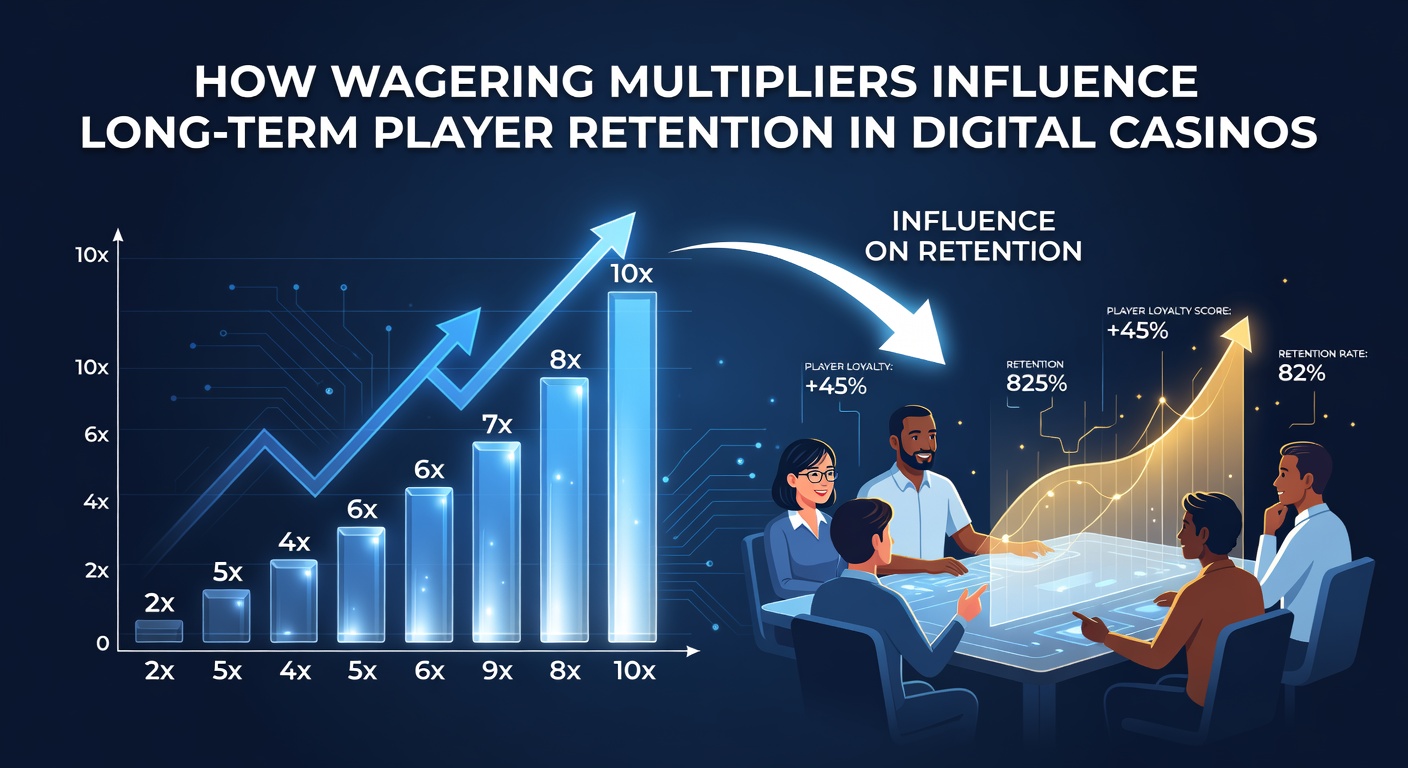
Wagering Multipliers Shape Retention Patterns Across Digital Casino Platforms
Operators in the digital casino sector rely on wagering multipliers to structure bonus offers, and these requirements play a measurable role in how players return over extended periods, according to industry tracking data. Multipliers define the number of times a player must wager bonus funds before withdrawing winnings, and they create a framework that influences session length and repeat visits. Research from academic centers shows that higher multipliers often extend initial engagement while lower thresholds correlate with quicker bonus clearance and potential drop-off once requirements are met.
Core Mechanics Behind Multiplier Structures
Digital casinos set multipliers at levels such as 20x, 30x, or 40x on deposit bonuses, which means players must place bets totaling twenty to forty times the bonus amount before any profit becomes withdrawable. This system encourages continued play because incomplete wagering leaves funds locked, yet it also introduces friction when requirements feel distant. Observers note that platforms adjust these figures seasonally, and data collected through 2025 indicates average multipliers stabilized around 25x to 35x for most welcome packages in major markets.
Players encounter these terms during registration flows, and the clarity of presentation affects whether they commit to long-term activity. When multipliers appear alongside clear progress trackers, retention metrics rise because users can visualize remaining obligations and plan future sessions accordingly.
Behavioral Responses and Session Data
Studies tracking user cohorts reveal that multipliers above 40x tend to increase average session duration by 18 to 22 percent in the first week after bonus activation, yet they simultaneously reduce the percentage of players who complete requirements within thirty days. Lower multipliers, by contrast, produce faster clearance rates and higher short-term satisfaction scores, although repeat deposit activity sometimes declines once the initial incentive disappears. Figures from platform analytics dashboards compiled in early 2026 demonstrate that balanced multipliers around 30x sustain monthly active user counts more effectively than extremes at either end of the spectrum.
Retention Metrics Across Player Segments
Segmentation analysis divides players into high-volume, moderate, and casual groups, and each responds differently to multiplier demands. High-volume participants often treat multipliers as routine hurdles and maintain steady deposit patterns, whereas casual users show sharper drop-off once a single bonus cycle ends without full clearance. Reports from the International Center for Gaming Regulation highlight that operators who tier multipliers by player history achieve better cross-segment retention, with moderate users returning 12 percent more frequently when personalized requirements replace blanket thresholds.
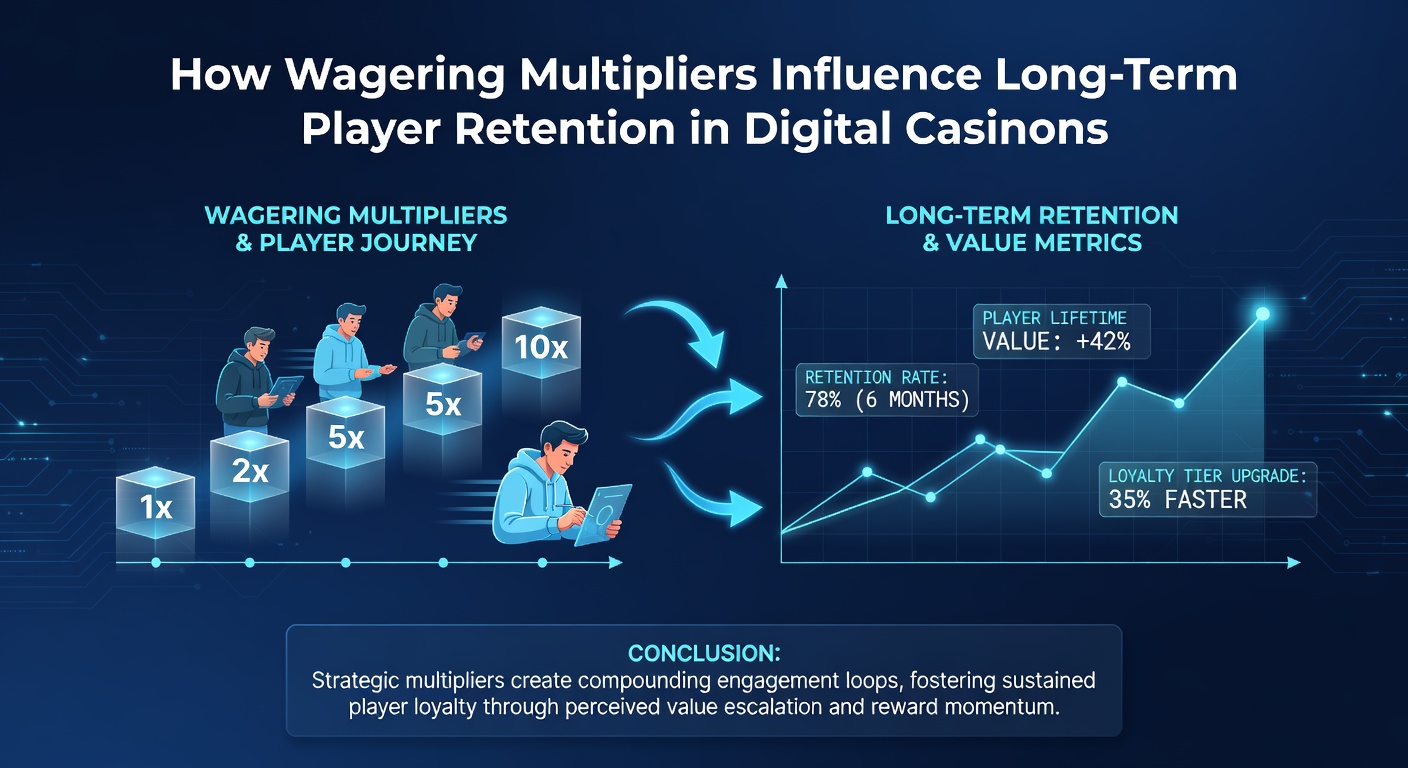
Trends Observed in May 2026
By May 2026, several major platforms introduced dynamic multipliers that decrease as players accumulate loyalty points, creating a feedback loop that rewards sustained activity. Industry updates released that month indicate this approach lifted 90-day retention rates by roughly 9 percent compared with static models used in prior years. Regulatory filings from North American and European jurisdictions further show that transparent multiplier disclosures, paired with real-time progress notifications, reduce early churn among new registrants who previously abandoned accounts after unclear bonus terms.
Operators also began testing multiplier caps tied to deposit size, which prevents large bonuses from carrying disproportionately high requirements. Early returns from these pilots suggest moderate improvements in lifetime value calculations, particularly among players acquired through affiliate channels.
Conclusion
Wagering multipliers function as structural elements that directly shape how long players remain active within digital casino environments, and available tracking data confirms their influence on both immediate behavior and extended retention curves. Platforms that calibrate these requirements with attention to player segmentation and transparent communication continue to record steadier user bases through 2026, while static or extreme settings produce more variable outcomes across different market segments. Continued monitoring of multiplier adjustments and corresponding retention figures will likely guide future platform design decisions in the sector.