Unpacking Retention Strategies in Multi-Layered Casino Bonus Systems
Written by Quinn Berger · May 21, 2026
Unpacking Retention Strategies in Multi-Layered Casino Bonus Systems
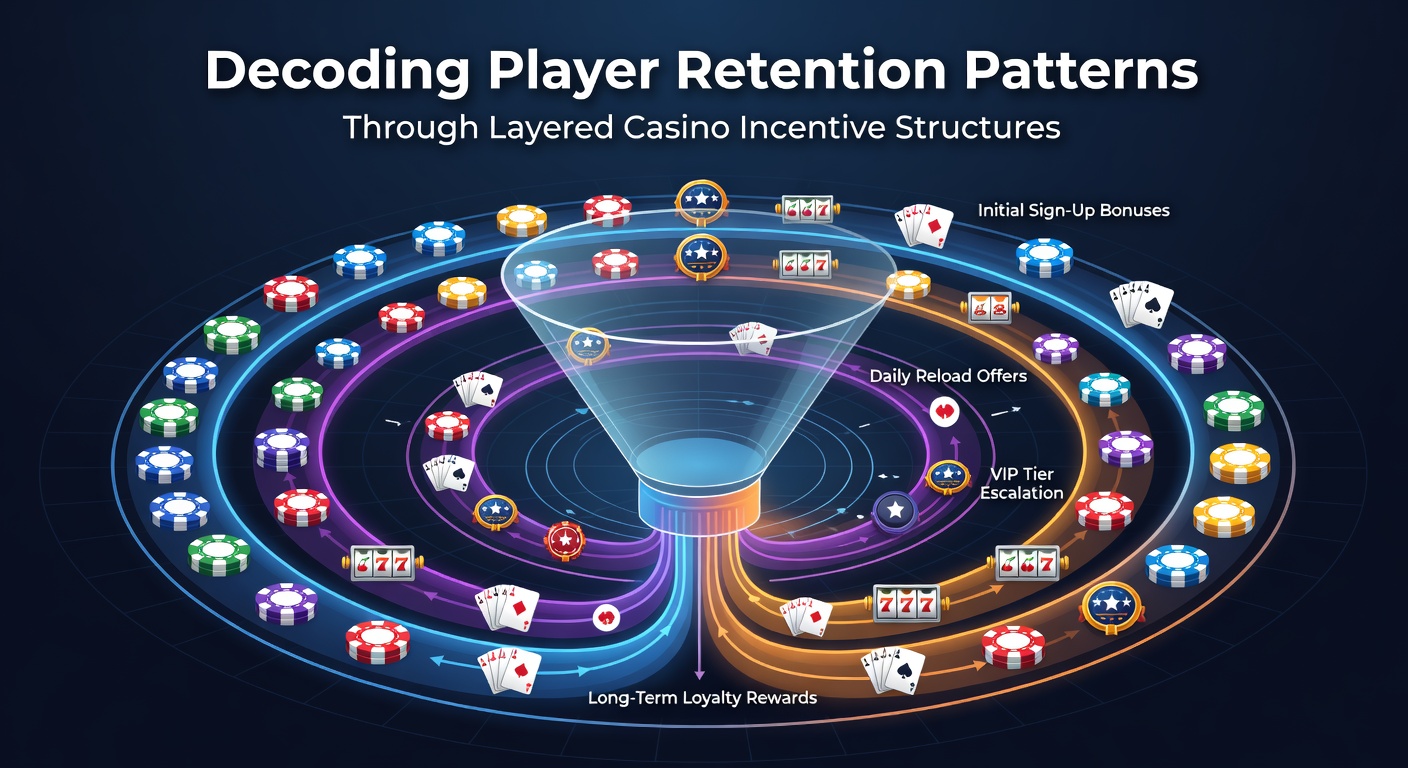
Layered casino incentive structures combine welcome packages, loyalty tiers, cashback mechanisms, and personalized rewards to encourage extended play sessions and repeat visits. Operators design these systems so each layer builds on the previous one, creating a progression path that keeps accounts active over months rather than weeks.
Data from multiple markets shows that players who engage with at least three distinct incentive layers demonstrate longer average account lifespans compared with those who interact with single-offer models. Retention metrics collected through 2025 and into May 2026 continue to highlight this pattern across both desktop and mobile platforms.
Core Components of Layered Incentives
Welcome bonuses serve as the entry point, yet operators layer deposit matches with free spin allocations and ongoing reload offers. Loyalty programs then track wagering volume to unlock higher cashback percentages or exclusive event access. VIP tiers add another dimension through dedicated account managers and accelerated point earning rates.
These elements operate simultaneously rather than sequentially. A player might receive a reload bonus while accumulating loyalty points that later convert into tournament entries. The overlapping design reduces the likelihood of account dormancy during quieter periods.
Observed Behavioral Patterns
Analytics platforms reveal consistent trends where mid-tier loyalty members show the highest month-to-month retention rates. New players often drop off after exhausting an initial welcome package, yet those who progress into the first loyalty level within 30 days exhibit markedly different engagement curves.
Seasonal spikes appear around promotional resets, when operators refresh tier benefits or introduce limited-time multipliers. Records from North American markets indicate that such resets correlate with temporary lifts in daily active users, particularly among users who previously hovered near tier thresholds.
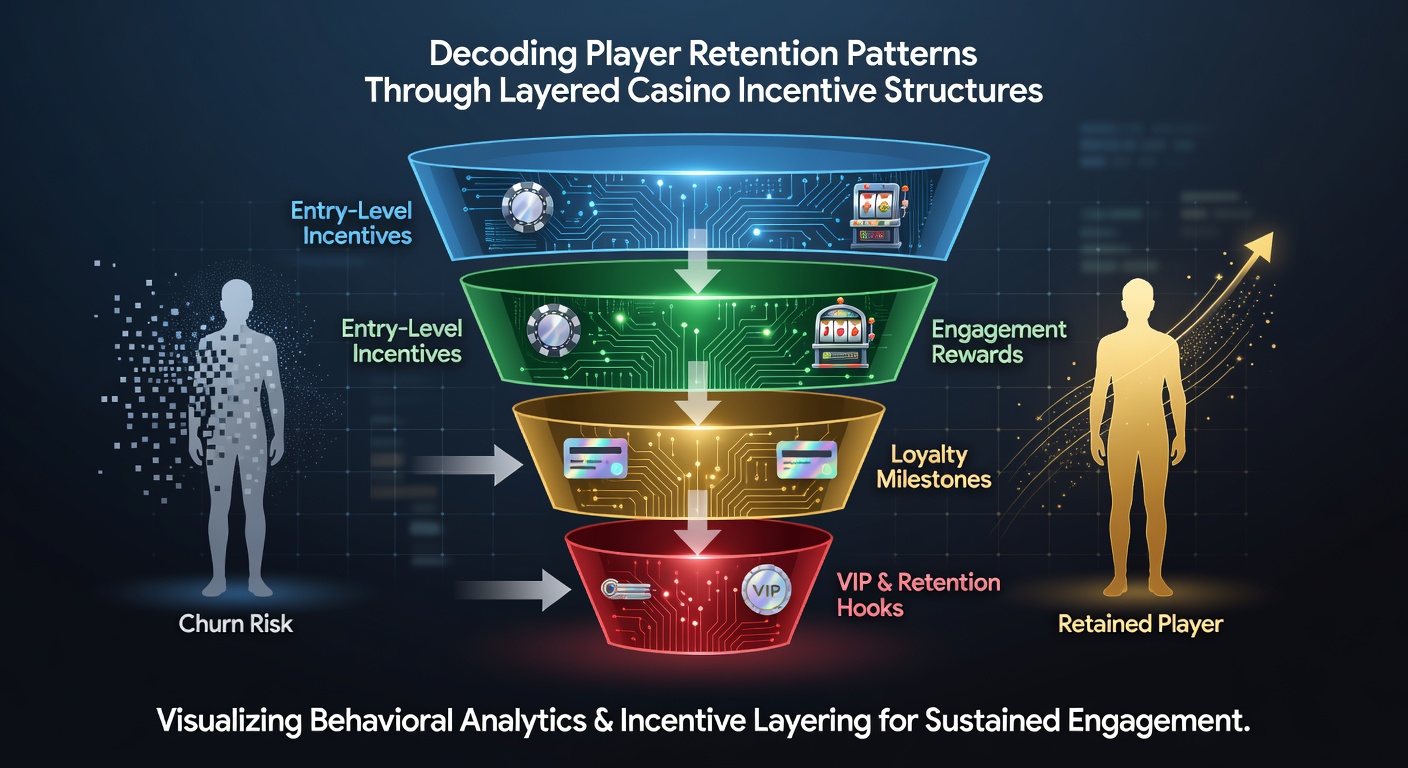
European operators have reported similar outcomes when combining cashback with milestone rewards. Players who trigger both mechanisms within the same week tend to maintain higher deposit frequencies over the following quarter. The combination appears to reinforce habitual play without requiring continuous large-scale promotions.
Regional Data and External Benchmarks
Figures compiled by the American Gaming Association illustrate how integrated reward layers influence session length across regulated U.S. states. Reports emphasize that operators who refresh tier benefits quarterly see steadier retention curves than those relying on static structures.
Australian research published through academic channels further supports these observations, noting that players respond positively to transparent progression systems where the next reward threshold remains visible at all times. The clarity reduces frustration and supports continued participation even when recent results have been mixed.
Developments Through May 2026
By May 2026, several major platforms have introduced dynamic personalization engines that adjust incentive layers in real time based on individual play velocity. These systems analyze recent deposit patterns and automatically surface the most relevant reward type, whether that involves extra spins or reduced wagering multipliers.
Integration with responsible gaming tools has also evolved. Some operators now embed session reminders directly inside loyalty dashboards, allowing players to monitor both reward progress and time spent in one view. Early indicators suggest this transparency supports longer-term account health without sacrificing overall retention metrics.
Conclusion
Layered incentive structures continue to shape how players interact with casino platforms through carefully sequenced rewards that build upon one another. Retention data collected across multiple jurisdictions points to measurable differences in engagement duration when operators maintain three or more active layers simultaneously. As platforms refine personalization capabilities through 2026, the relationship between incentive design and sustained play remains a central focus for industry analysis.