Tracking How Welcome Packages Shape Sustained Player Retention Across Casino Platforms
Written by Klara Zimmermann · Aug 20, 2026
Tracking How Welcome Packages Shape Sustained Player Retention Across Casino Platforms
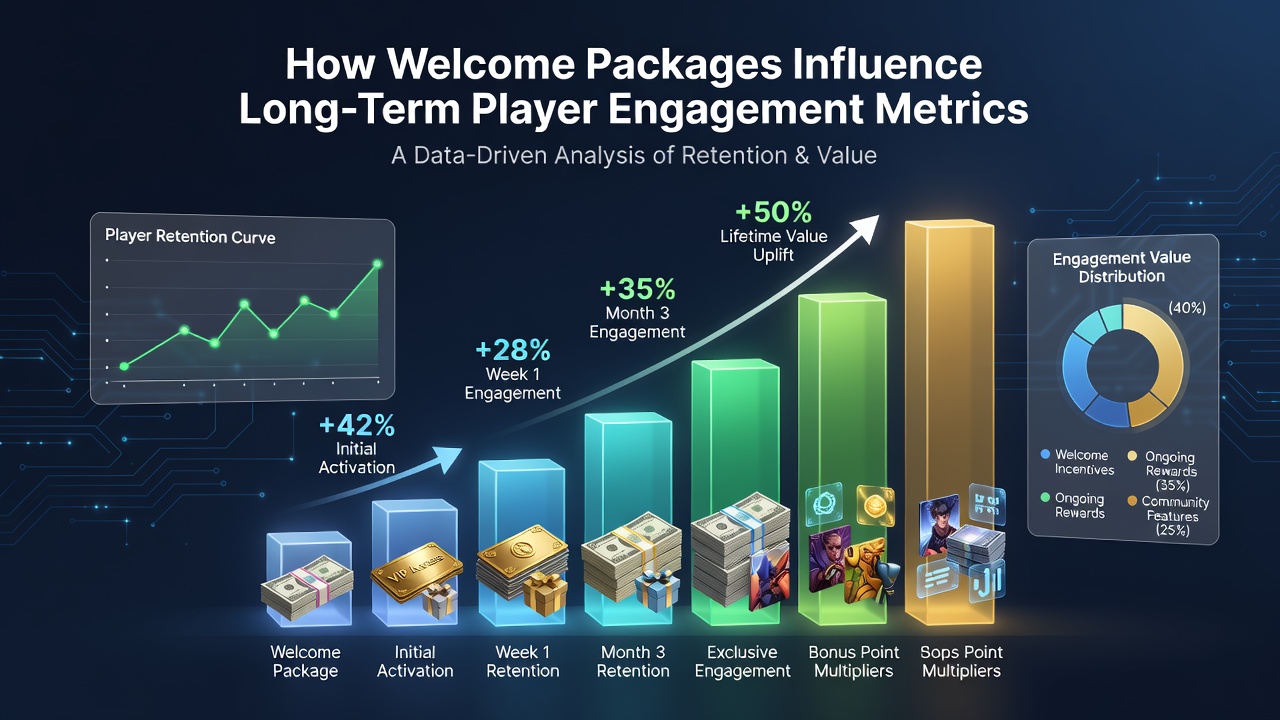
Industry analysts track welcome packages through deposit match percentages, free spin allocations, and cashback tiers that operators roll out during new account creation. These incentives appear in registration flows across multiple jurisdictions, and data sets from 2024 through 2026 show measurable shifts in login frequency and deposit intervals once players claim initial offers.
Retention Metrics That Operators Monitor
Retention metrics include day-30 return rates, average session length, and total deposit volume per active account. Regulators in several regions compile these figures from operator submissions, and patterns emerge when welcome packages contain wagering requirements set between 20x and 40x. One study released by the New Jersey Division of Gaming Enforcement noted that accounts receiving a 100 percent match up to 200 dollars maintained weekly activity at rates 12 percent higher than accounts without the same structure during the first quarter of 2025.
Another data stream comes from the Alcohol and Gaming Commission of Ontario, where analysts compared cohorts that accepted free spins attached to a minimum deposit versus those that declined the spins. The group accepting spins recorded a 9 percent increase in repeat deposits within 60 days, while the decline group showed flatter activity curves after the initial week.
Timing and Structure of Offers
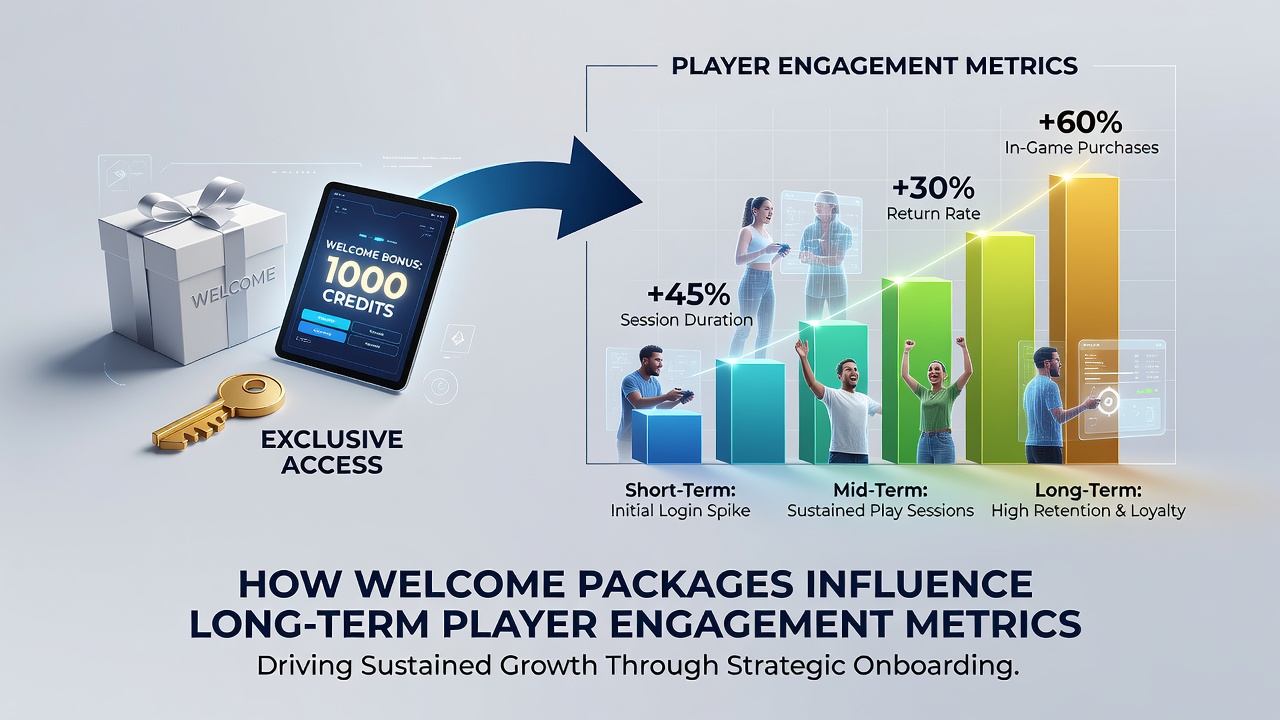
Operators release welcome packages in staged formats, with the first deposit often unlocking the largest match and subsequent deposits triggering smaller reloads. August 2026 reports from the Australian Communications and Media Authority highlighted that platforms spacing the second deposit bonus at least seven days after the first saw longer average player lifespans than those releasing all components within 48 hours. The staggered approach correlated with a 7 percent lift in accounts still active at the 90-day mark.
Research teams at the University of Nevada, Las Vegas examined 18 months of anonymized transaction logs and found that free spin bundles tied to specific game titles produced higher engagement on those titles for the first two weeks, yet overall portfolio engagement remained stable only when the spins carried reasonable wagering conditions. When wagering exceeded 50x, players tended to complete the requirement and then reduce activity rather than continue depositing.
Regional Variations in Package Effectiveness
European operators operating under the Malta Gaming Authority reported different outcomes compared with North American markets. Packages that included both a deposit match and a no-deposit free spin component maintained higher month-three retention in regulated EU markets, whereas North American data leaned toward deposit-match-only structures for longer-term activity. Observers note that currency conversion, tax treatment, and local payment methods influence how players perceive teh initial value of any given package.
Canadian provincial data from British Columbia Lottery Corporation showed that welcome packages incorporating loyalty points on top of the cash bonus produced steadier weekly deposit patterns than cash-only offers. Players accumulated points that converted to future play credits, and this secondary reward layer appeared to extend engagement beyond the expiration of the initial bonus terms.
Behavioral Patterns After Bonus Completion
Once wagering requirements finish, engagement metrics shift. Accounts that complete requirements within the first 14 days often maintain deposit frequency when the platform offers a clear progression path to a loyalty program. Those that finish later or abandon mid-requirement show steeper drop-off curves. Industry reports compiled by the International Center for Responsible Gaming indicate that clear communication of requirement progress correlates with fewer accounts going dormant immediately after bonus exhaustion.
Payment method choice also surfaces in the data. Players funding through e-wallets rather than bank transfers tend to complete welcome packages faster and sustain activity longer, possibly because transaction friction stays lower. Operators adjust bonus structures accordingly, sometimes weighting e-wallet deposits with extra spins or accelerated point accrual.
Conclusion
Long-term player engagement metrics respond to the size, timing, and structure of welcome packages in measurable ways. Regulatory bodies across multiple regions continue releasing cohort comparisons that link specific bonus features to retention curves, while academic groups refine models that isolate package variables from broader market influences. These ongoing data releases provide operators and analysts with clearer pictures of which package elements sustain activity beyond the initial claim period.