Tier Structures in Casino Loyalty Programs Shape Bonus Engagement Over Time at Leading Operators
Written by Ellis Beck · Jul 13, 2026
Tier Structures in Casino Loyalty Programs Shape Bonus Engagement Over Time at Leading Operators
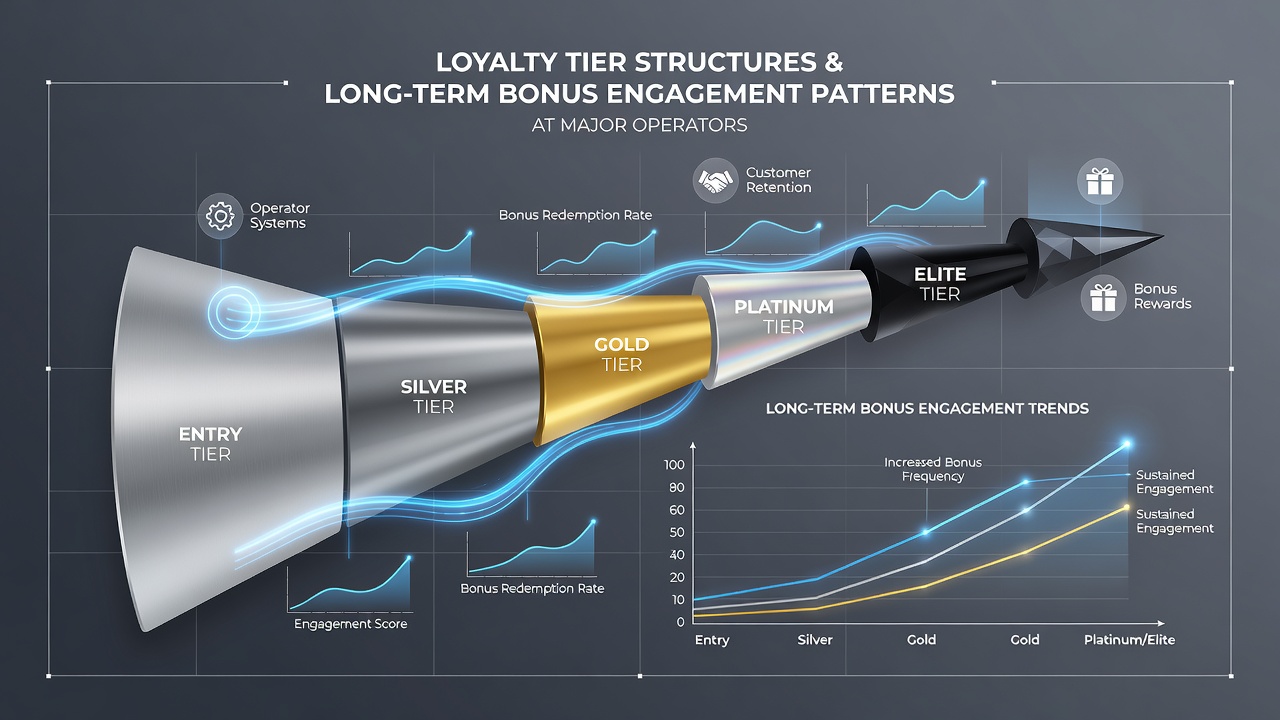
Operators across major gaming markets structure loyalty programs around progressive tiers that unlock escalating bonus benefits, and these frameworks directly shape how players interact with promotional offers across extended periods. Research from the Australian Gambling Research Centre shows tier advancement correlates with measurable increases in repeat bonus claims, particularly when programs tie status levels to cumulative activity metrics like wager volume and session frequency.
Players typically enter at entry-level tiers such as Bronze or Silver, where bonus access remains limited to standard deposit matches and occasional free spin allocations, yet movement into Gold or Platinum categories expands reward pools significantly through cashback multipliers, priority event invitations, and personalized reload offers. Data collected from large-scale platform analytics reveals that once participants reach mid-tier thresholds, their bonus redemption rates stabilize at higher volumes compared to baseline users who remain in lower categories.
Mechanics of Tier Progression and Bonus Access
Most major operators calculate tier status through points earned from real-money play, with each level requiring specific point totals that reset on annual or semi-annual cycles, and this system encourages sustained engagement because higher tiers deliver proportionally larger bonus values that offset the effort required to maintain status. A 2025 industry analysis from the University of Nevada Gaming Research Center found operators using five-tier models retained bonus-active users 28 percent longer on average than those relying on flat reward structures without progression incentives.
Bonus engagement patterns shift notably as players climb tiers, since initial levels focus on acquisition-oriented promotions like welcome packages while elevated tiers emphasize retention tools such as loyalty bonuses and milestone rewards, and these differences create distinct behavioral trajectories where mid-tier players often exhibit the highest claim consistency. External reports from the Nevada Gaming Control Board indicate that Platinum-level participants in monitored markets claimed an average of 4.2 bonuses per month in 2025, compared to 1.8 claims among entry-level accounts during the same period.
Observed Patterns in Long-Term Participation
Longitudinal tracking of player cohorts demonstrates that tiered systems influence not only frequency but also the types of bonuses pursued, with higher-status users gravitating toward high-value, low-frequency offers such as tournament entries and exclusive cashback events rather than smaller daily rewards, and this preference shift aligns with data showing reduced churn rates among those who achieve and hold advanced tier positions. Operators adjust bonus parameters seasonally, and patterns observed through mid-2026 suggest that summer promotional calendars in July 2026 incorporated tier-specific multipliers that further amplified engagement among established members.
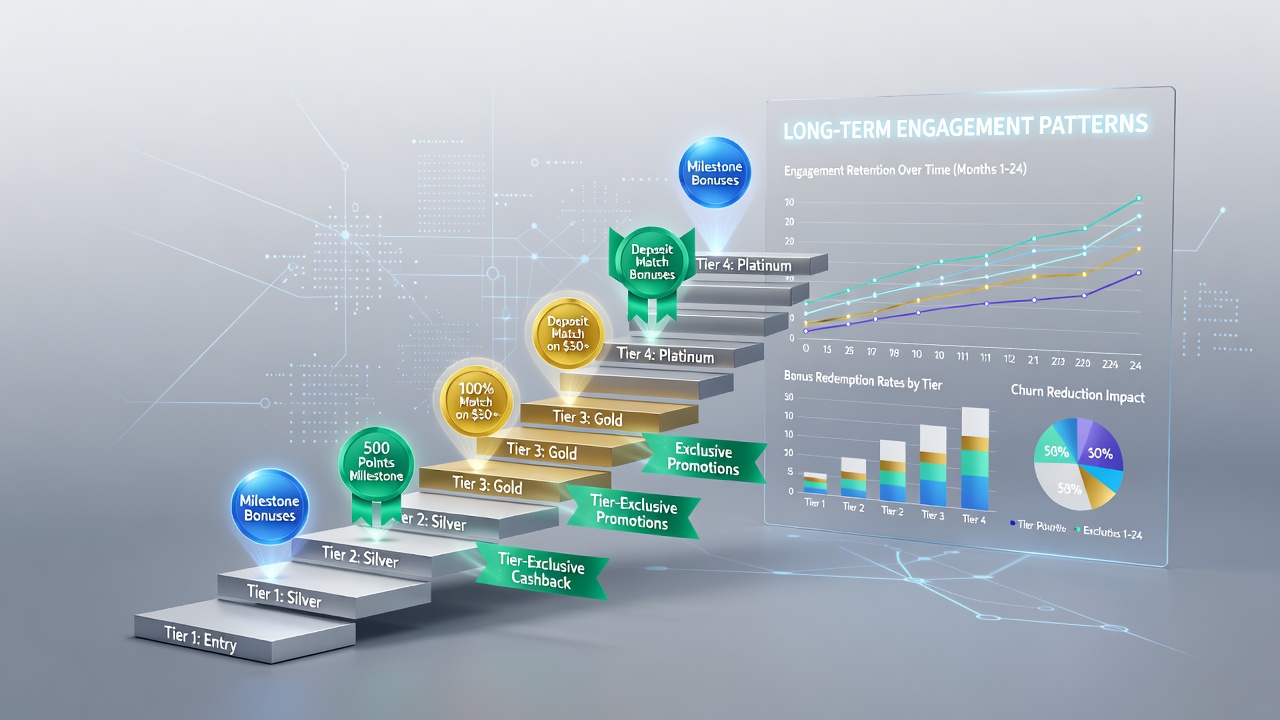
Seasonal variations appear in engagement data, where summer periods often see spikes in bonus activity tied to themed events, yet tier structures help maintain baseline participation even outside peak months because status benefits remain constant regardless of calendar fluctuations. Figures from Canadian provincial gaming authorities reveal similar retention dynamics in regulated markets, where tier advancement reduced bonus abandonment rates by measurable margins over 18-month observation windows.
Comparative Impact Across Major Operators
Different operators implement tier benefits with varying emphasis, some prioritizing cashback percentages at upper levels while others highlight experiential rewards like travel packages or event access, and these strategic choices produce distinct engagement signatures within their respective player bases. Observers tracking multiple platforms note that programs combining both monetary and non-monetary tier perks sustain longer-term bonus interaction than those limited to financial incentives alone, particularly when point accumulation remains transparent and achievable through regular play patterns.
Platform-specific adjustments in 2026, including refined point-earning rates during July promotional windows, illustrate how operators fine-tune tier mechanics to align with observed engagement trends, and industry datasets indicate these modifications often stabilize participation among users approaching tier renewal deadlines. Cross-market comparisons further highlight that regulatory environments influence tier design, with frameworks in jurisdictions outside the UK incorporating additional compliance layers that affect bonus visibility and claim processes at higher status levels.
Conclusion
Tiered loyalty structures at major operators establish clear pathways that correlate with sustained bonus engagement, as evidenced by retention metrics and claim frequency data across multiple regulated markets, and continued monitoring through 2026 will likely reveal further refinements in how these systems adapt to evolving player behaviors. The interplay between progression requirements and reward scaling remains a central factor in shaping long-term patterns, with available evidence pointing to tier advancement as a reliable predictor of consistent promotional participation over extended timeframes.