Statistical Trends Shaping Custom Prize Allocations in Mobile Gaming Platforms
Written by Quinn Berger · Jul 9, 2026
Statistical Trends Shaping Custom Prize Allocations in Mobile Gaming Platforms
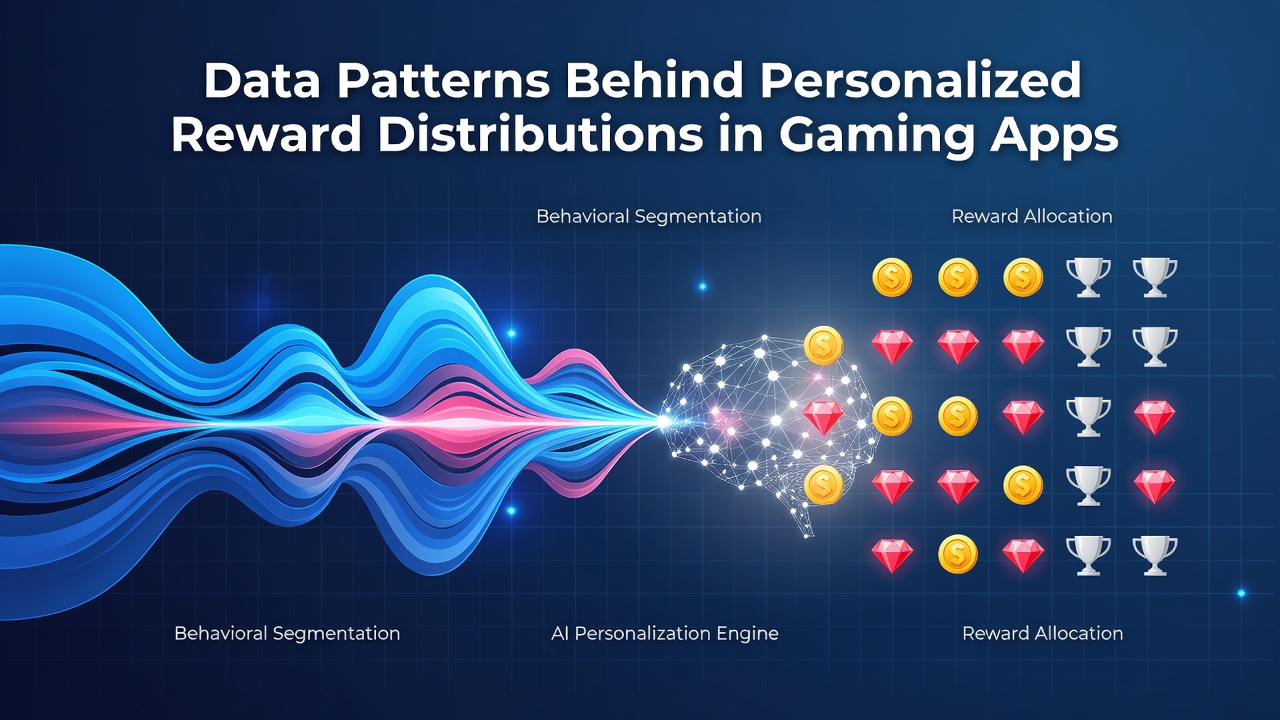
Analysts track user interaction logs across millions of sessions each day to identify recurring sequences that predict optimal reward timing, and these sequences often emerge from variables such as session duration, in-app purchase frequency, and social sharing rates. Researchers apply clustering techniques to group players into segments based on behavioral signatures, while machine learning models refine those segments continuously as new data arrives.
Core Data Inputs Driving Personalization Engines
Telemetry streams capture everything from swipe velocity to time spent viewing loading screens, and these granular signals feed into predictive frameworks that assign reward values dynamically. Studies from academic institutions show that retention curves improve when reward density aligns with individual churn probability scores, yet the underlying patterns remain consistent across genres from puzzle titles to battle arenas. Observers note that July 2026 marked a notable uptick in cross-platform data sharing agreements, which expanded the feature sets available for reward modeling in both free-to-play and premium titles.
Time-of-day preferences surface quickly in aggregate datasets, while geographic location data adds another layer that influences prize types such as virtual currency versus cosmetic items. Companies integrate these inputs through decision trees and neural networks, allowing systems to test multiple reward variants simultaneously in controlled experiments.
Algorithmic Approaches to Reward Distribution
Pattern recognition begins with simple frequency counts of login streaks and escalates to multivariate regression that weighs dozens of factors at once. Developers deploy reinforcement learning loops where the model receives feedback from subsequent playtime metrics, and this loop tightens distribution accuracy over successive iterations. Figures from industry reports indicate that apps utilizing such loops achieve steadier engagement plateaus compared with static reward schedules.
Segmentation and Cohort Analysis
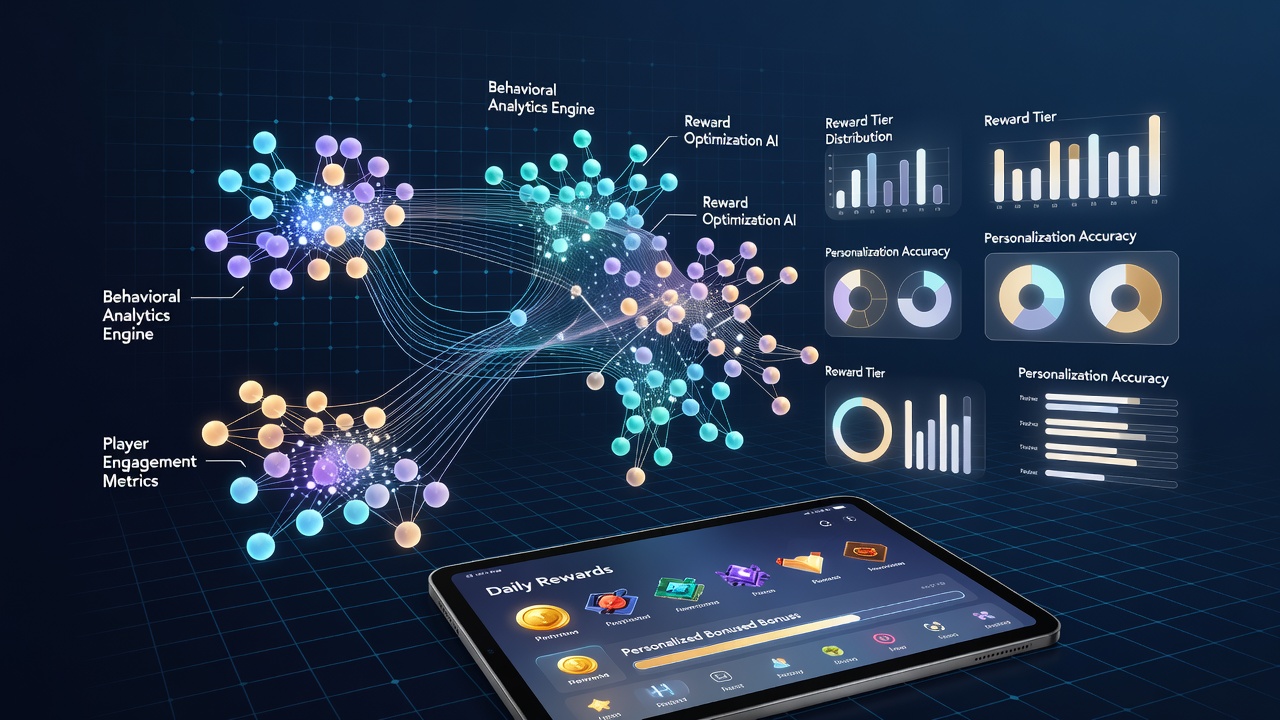
Players fall into cohorts defined by lifetime value projections and risk tolerance indicators, and analysts update these cohorts weekly to reflect emerging trends in playstyle evolution. One cohort might respond strongly to surprise multipliers while another prefers guaranteed incremental gains, and the distinction appears clearly in heatmaps of redemption rates. External validation comes from sources such as Entertainment Software Association publications that compile anonymized metrics across North American studios.
Seasonal events introduce temporary spikes that models must accommodate without overfitting, and teams accomplish this by maintaining separate baseline and event-specific weighting parameters. Those who've studied longitudinal datasets know that holiday periods produce distinct sub-patterns that revert once the calendar event concludes.
Regulatory and Ethical Data Handling Practices
Compliance frameworks require explicit consent flows before telemetry collection begins, and developers log these consents alongside the behavioral records they generate. Australian regulatory bodies publish guidelines that emphasize transparency in how reward probabilities are communicated to users, and similar expectations appear in Canadian provincial oversight documents. Data minimization principles limit storage duration, which in turn shapes the temporal windows used for pattern training.
Encryption standards protect raw event streams during transmission, while anonymization techniques strip personally identifiable elements before analysis begins. Research institutions continue to publish comparative studies that benchmark different anonymization methods against model performance degradation, and these benchmarks help studios select approaches that preserve utility without compromising privacy.
Future Trajectories in Pattern Refinement
Emerging sensor data from wearable devices may soon augment existing telemetry, providing physiological signals that correlate with engagement intensity. Teams experiment with federated learning setups that keep raw data on user devices while still contributing to global model updates, and early pilots suggest this architecture reduces latency in reward adjustments. Observers note that continued refinement of these methods will depend on sustained collaboration between academic researchers and commercial engineering groups.
Conclusion
The interplay between raw telemetry, segmentation logic, and adaptive algorithms produces reward distributions that grow more precise with each data cycle, and the patterns uncovered through this process now underpin the majority of contemporary gaming applications. Continued monitoring of regulatory developments alongside technical advances will determine how these systems evolve beyond current implementations.