Progressive Reward Structures and Retention Dynamics in Online Betting Platforms
Written by Klara Zimmermann · Jul 20, 2026
Progressive Reward Structures and Retention Dynamics in Online Betting Platforms
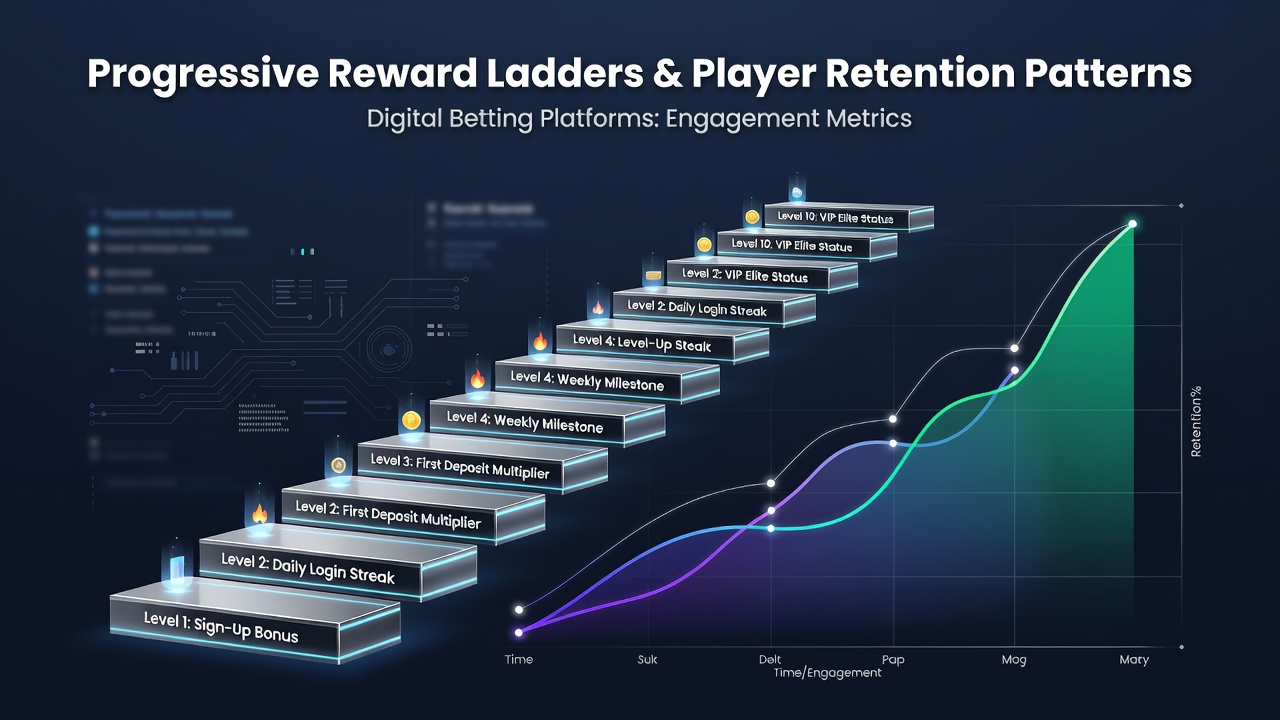
Digital betting platforms rely on structured loyalty programs known as progressive reward ladders to encourage continued participation, and researchers track how these systems correlate with player retention rates across different markets. These ladders typically begin with entry-level tiers offering basic perks such as bonus credits or free spins, then advance users through intermediate and premium levels that unlock higher-value rewards like cashback percentages, exclusive events, and personalized account management. Operators implement these systems because data from multiple regions shows that players who reach higher tiers exhibit longer session durations and reduced churn compared to those who remain at base levels. A 2025 industry analysis by the European Gaming and Betting Association highlighted that retention metrics improve when reward progression includes both monetary and experiential incentives, such as tournament access or merchandise.Mechanics of Tier Advancement
Progression through reward ladders depends on accumulated activity points derived from wagers, deposits, and sometimes time spent on the platform. Points reset or carry over according to platform-specific rules, and operators adjust thresholds seasonally to maintain engagement momentum. Those who've studied retention patterns note that clear milestone communication via app notifications or email summaries helps sustain user momentum toward the next tier.
Platforms in North America and Europe often segment their ladders into four to six distinct levels, with each step requiring exponentially more points than the last. This design creates a sense of achievement while extending the timeline for users to reach elite status, which in turn supports longer-term platform loyalty.
Observed Retention Patterns
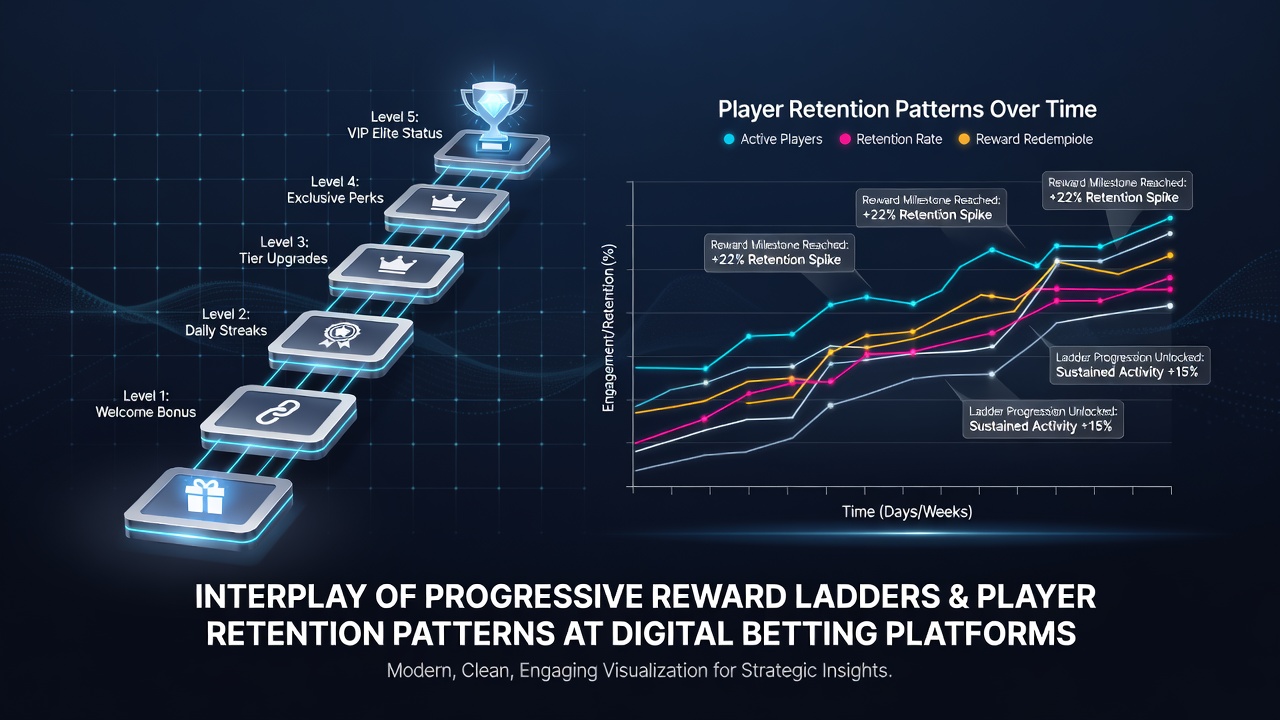
Retention data collected across several platforms indicates that users who achieve at least one tier upgrade within the first 90 days of registration demonstrate significantly higher six-month survival rates. Figures from a University of Sydney gambling behavior study released in early 2026 revealed that ladder participants showed a 28 percent lower attrition rate than non-participants during the same period.
Seasonal spikes in activity appear around promotional resets, and analysts observe that platforms releasing new tier benefits in July 2026 experienced measurable upticks in login frequency among mid-tier users. The interplay becomes evident when reward velocity slows, because retention curves flatten or decline once users perceive diminishing returns on further point accumulation.
Regional Regulatory Influences
Regulatory frameworks in different jurisdictions shape how operators may structure these ladders. Australian authorities require transparent disclosure of point-earning rates and redemption values, while Canadian provincial regulators focus on responsible gaming messaging integrated into tier communications. These requirements affect both the pace of progression and the types of rewards offered, which in turn influences retention outcomes reported by platform operators.
Cross-border comparisons reveal that markets with stricter reward transparency rules tend to post steadier retention curves, because users maintain clearer expectations about the effort required to advance. In contrast, less regulated environments sometimes see sharper drops once initial novelty fades.
Behavioral Data and Platform Adjustments
Platform operators continuously refine ladder parameters based on aggregated user telemetry. When analytics teams detect plateaus in point accumulation among specific demographic groups, they introduce targeted multipliers or limited-time challenges to re-engage those users. Research published by the Canadian Centre on Substance Use and Addiction in 2025 documented how such micro-adjustments correlated with improved month-over-month retention in participating cohorts.
Some platforms incorporate social elements, allowing users to share tier achievements or compete in group challenges, and these features appear to extend session lengths further. Observers note that the combination of individual progression and communal recognition creates additional retention hooks beyond pure financial incentives.
Conclusion
Progressive reward ladders continue to serve as central tools for managing retention on digital betting platforms, and ongoing data collection helps operators calibrate progression speeds and reward types to match user behavior across varied regulatory landscapes. As new reports emerge through 2026 and beyond, the relationship between tier mechanics and long-term engagement remains a primary focus for both industry analysts and academic researchers tracking platform performance.