How Multi-Level Reward Systems Affect Long-Term Bankroll Strategies on UK Casino Platforms
Written by Elena Hoffmann · Aug 13, 2026
How Multi-Level Reward Systems Affect Long-Term Bankroll Strategies on UK Casino Platforms
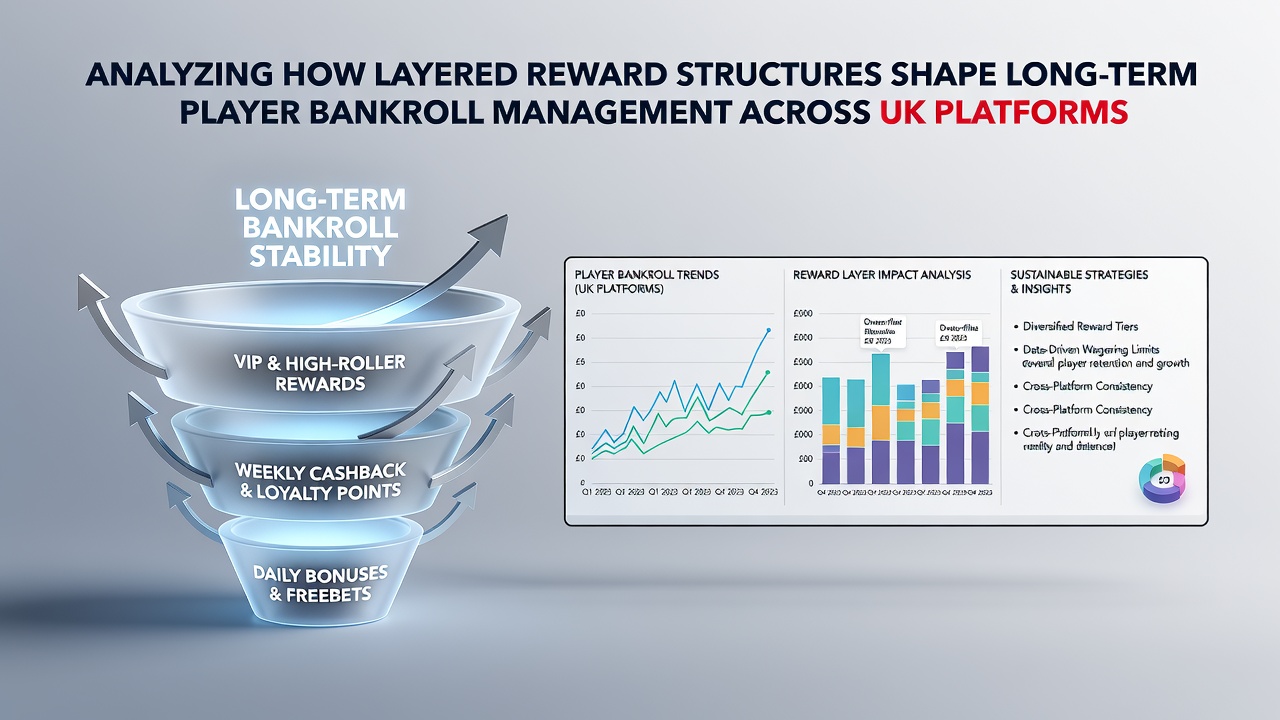
Layered reward structures on UK casino platforms operate through progressive tiers that grant escalating benefits such as cashback percentages, bonus credits, and loyalty points as players accumulate activity over months or years. These systems connect directly to bankroll management because participants often adjust deposit sizes and session lengths to climb tiers or maintain status, which data from industry reports shows can extend play periods while altering how funds are distributed across multiple sessions. Observers note that players who reach higher levels frequently receive personalized offers that influence withdrawal decisions and reinvestment patterns, creating measurable shifts in how bankrolls are preserved or depleted over extended timelines.
Core Components of Tiered Reward Frameworks
UK platforms typically structure rewards around point accumulation systems where wagering volume converts into status levels, each unlocking distinct advantages like reduced wagering requirements on bonuses or higher cashback rates that return portions of losses directly to the player account. Research indicates these frameworks often include monthly or quarterly resets combined with lifetime achievement markers, which encourages consistent participation rather than sporadic large deposits. Those who have examined player data across several sites find that intermediate tiers tend to offer the most attractive return rates, prompting many users to pace their spending to hit those benchmarks without exhausting reserves in a single period.
Additional layers frequently incorporate mission-based challenges or streak bonuses that reward consecutive days of activity, and this mechanic integrates with bankroll oversight by giving players tangible incentives to divide their funds into smaller, repeated wagers instead of concentrated high-stakes attempts. Figures from academic analyses reveal that such designs correlate with longer account lifespans, as the promise of incremental rewards supports steadier fund allocation strategies.
Observed Effects on Player Spending Patterns
Data collected through platform analytics demonstrates that participants engaged with multi-tier programs tend to maintain larger average balances because rewards offset losses and reduce the urgency to chase previous results. One study tracking behavior over 18 months found that players progressing through tiers adjusted their bet sizing downward in later stages to protect accumulated points, a tactic that preserved capital for future play windows. This pattern appears most pronounced among those who receive targeted communications highlighting upcoming tier thresholds, which in turn affects how they schedule deposits relative to promotional calendars.
What's interesting is the way these structures interact with external economic factors. During periods of higher living costs, players reportedly use reward redemptions to supplement their available funds, effectively stretching bankrolls across more sessions than would otherwise occur. Reports compiled by research institutions outside the UK, including work from the Gambling Research Exchange Ontario, highlight similar dynamics in regulated markets where loyalty mechanics influence retention without necessarily increasing total expenditure.
Long-Term Bankroll Allocation Trends
Longitudinal tracking shows that layered systems promote a shift from short-term win chasing toward goal-oriented fund management, where players earmark portions of their bankroll specifically for reward accumulation phases. This approach often results in lower average loss percentages per session because cashback and bonus credits function as buffers that replenish balances automatically. Evidence suggests that users who maintain activity across multiple tiers develop routines such as weekly deposit caps tied to expected reward returns, which stabilizes their overall financial exposure over six to twelve month periods.

Platforms have introduced dynamic adjustments to these programs, with some rolling out enhanced benefits for August 2026 that emphasize sustainable play metrics rather than volume alone. Those adjustments include tier maintenance requirements based on net deposits rather than gross wagering, a change that researchers associate with more conservative bankroll pacing among mid-level participants.
Comparative Platform Approaches
Variations exist across operators, with some emphasizing rapid tier progression through accelerated point earning while others prioritize longevity rewards that activate only after 12 or 24 months of membership. Comparative reviews indicate that the latter model correlates with steadier bankroll retention because players anticipate future benefits and therefore avoid aggressive drawdowns. Players who switch between platforms often carry over learned allocation habits, applying the same tier-protection strategies regardless of the specific reward mechanics in place.
Industry data compiled through international sources, such as findings referenced by the National Institute on Alcohol Abuse and Alcoholism in broader behavioral studies, underscores how reward layering can moderate risk exposure when paired with transparent payout structures. These observations hold across different regulatory environments and point to consistent patterns in how extended participation shapes financial decision-making.
Conclusion
Multi-level reward systems on UK platforms continue to evolve in ways that tie player progression directly to bankroll decisions, with evidence showing measurable impacts on session length, deposit frequency, and loss mitigation tactics. As operators refine these frameworks through 2026 and beyond, the connection between tier benefits and sustained fund management remains a central factor in how participants structure their activity across online environments.