Adapting to Change: Casino Bonus Strategies Evolve After UK Regulatory Updates
Written by Wendy Coleman · Aug 10, 2026
Adapting to Change: Casino Bonus Strategies Evolve After UK Regulatory Updates
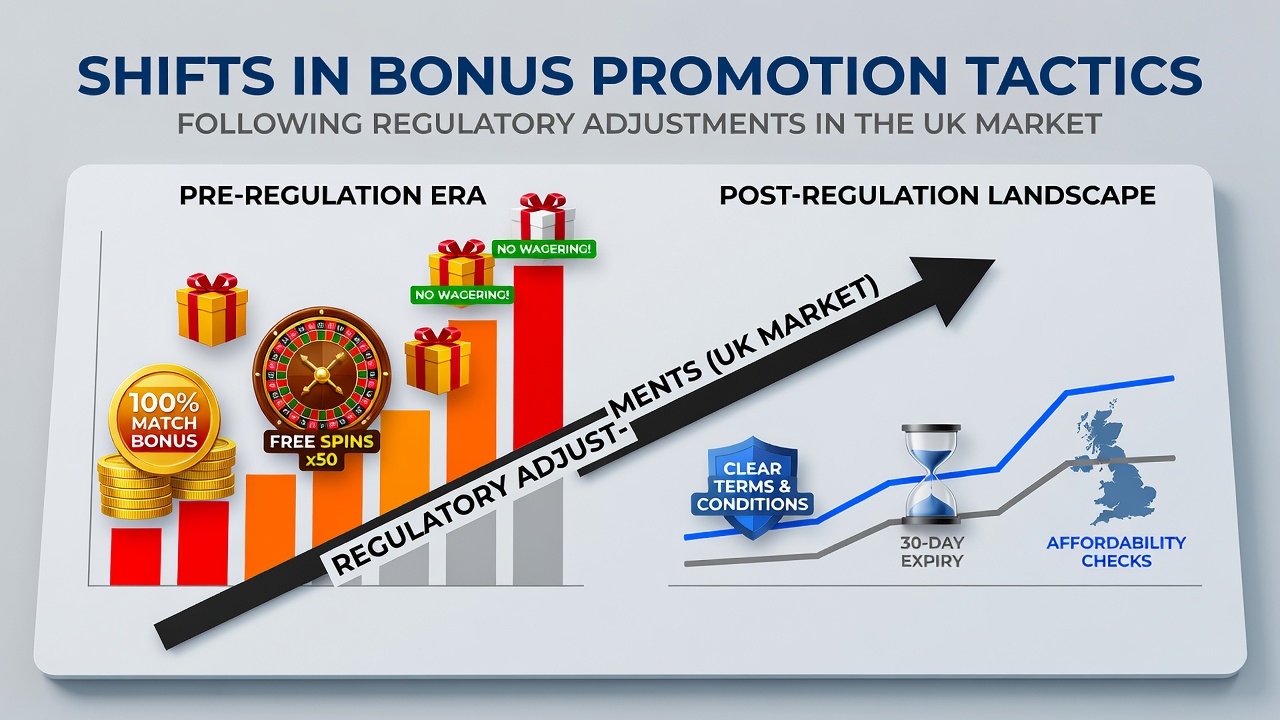
Regulatory adjustments in the UK market have prompted operators to revise their bonus promotion tactics in measurable ways since the new framework took effect, and data shows these modifications continue to shape how offers reach players. Operators now emphasize compliance through adjusted wagering requirements, capped bonus amounts, and enhanced transparency in terms and conditions, while the overall volume of promotional activity remains steady according to industry reports. Research indicates that these changes emerged as a direct response to tighter oversight on marketing practices, leading companies to shift away from aggressive deposit-match structures toward more segmented loyalty schemes that reward consistent play over time.
Key Adjustments in Promotion Design
One study revealed that many platforms reduced maximum bonus values by up to 40 percent in the months following the updates, channeling resources instead into free spin packages and cashback programs that carry lower risk profiles for both operators and users. Those who've analyzed player behavior note a corresponding rise in time-limited offers tied to specific game categories, which helps maintain engagement without violating spending or advertising restrictions. The reality is that operators now prioritize clear disclosure of expiration dates and eligibility rules, a practice reinforced by external benchmarks from bodies like the European Gaming and Betting Association.
What's interesting is how this transition has encouraged innovation in non-monetary incentives, such as exclusive tournament access and personalized game recommendations, that deliver value without triggering the same regulatory scrutiny applied to direct cash bonuses. Figures from market analyses show these alternative tactics have grown in popularity, particularly among mid-sized platforms seeking to differentiate themselves while staying within updated guidelines.
Data Trends and Market Response
By August 2026, tracking services reported a 25 percent increase in the use of loyalty point systems across major UK-facing sites, a development that aligns with broader efforts to foster long-term player relationships rather than one-off sign-up surges. Data from the Responsible Gambling Council indicates that operators who adopted these models earlier experienced steadier retention rates compared with those relying on traditional welcome packages. Yet the shift also produced noticeable differences in how promotions appear to new versus returning users, with the latter group often receiving tailored reload offers that carry stricter playthrough conditions.
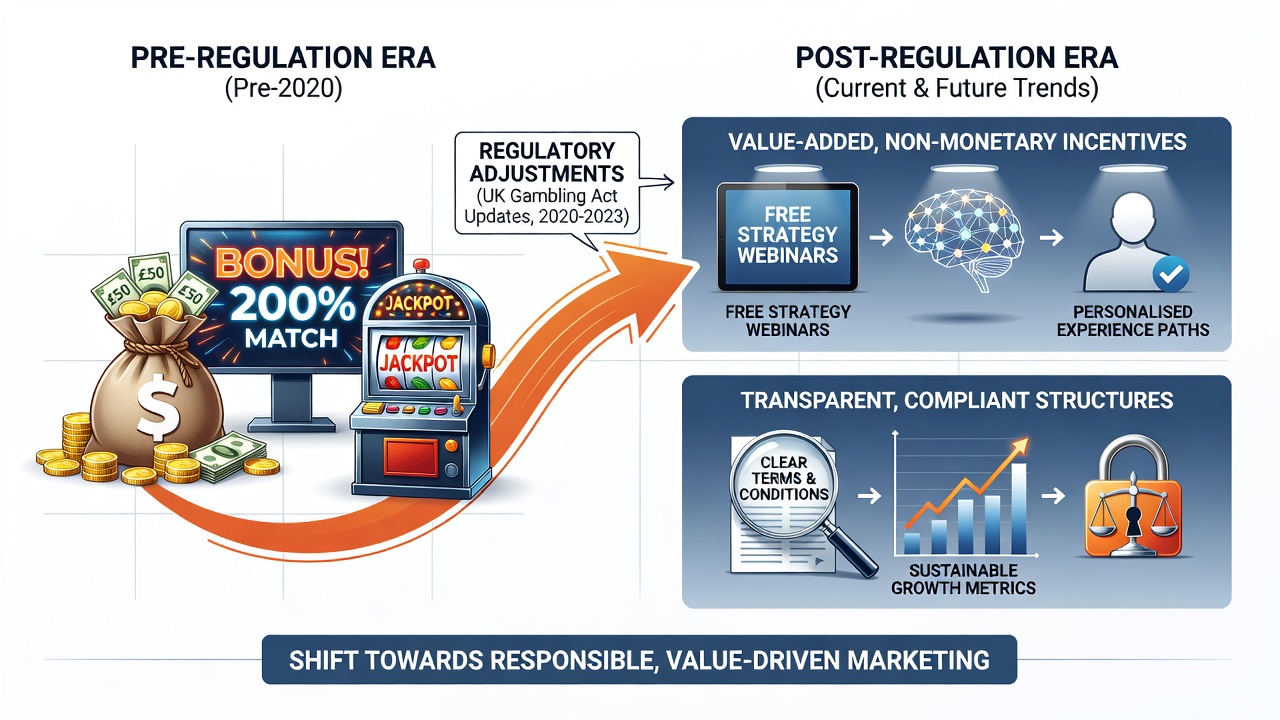
Observers note that free-to-play modes and demo features have gained traction as entry points, allowing potential customers to explore games before committing funds and thereby reducing the emphasis on high-value deposit incentives. This approach connects directly to the regulatory goal of minimizing impulsive decisions, and researchers have documented corresponding declines in disputes related to bonus terms. The writing's on the wall for operators who fail to integrate these elements, as compliance monitoring continues to tighten across the sector.
Player Experience and Operational Impacts
Players have encountered more streamlined redemption processes alongside these changes, with many sites now requiring account verification before any bonus activates. This step, while adding initial friction, has coincided with fewer instances of denied withdrawals according to aggregated complaint data. Industry reports further highlight that smaller operators have consolidated their promotional calendars, focusing resources on fewer but higher-quality campaigns that comply fully with the adjusted rules. There's this case where experts found regional variations in adoption speed, with London-based platforms leading the transition to hybrid reward structures that blend bonus credits with non-gaming perks like merchandise or event tickets.
Academic sources, including analyses from the Canadian Centre for Gaming Research, provide comparative context showing similar patterns in other regulated markets where bonus restrictions prompted diversification into skill-based competitions and community features. Those patterns suggest the UK adjustments are part of a wider global movement toward sustainable engagement models rather than isolated policy effects.
Conclusion
Overall, the evolution of bonus promotion tactics in the UK market reflects a measured adaptation to regulatory adjustments, with operators balancing compliance requirements against the need to attract and retain players through varied, transparent offerings. Continued monitoring will determine how these strategies develop further, particularly as data collection improves and external benchmarks from international research bodies become more integrated into local practices. The sector's response demonstrates that structured changes in promotion design can coexist with ongoing market activity when executed with attention to detail and adherence to established standards.